When is the best time for a budget safari in Tanzania?
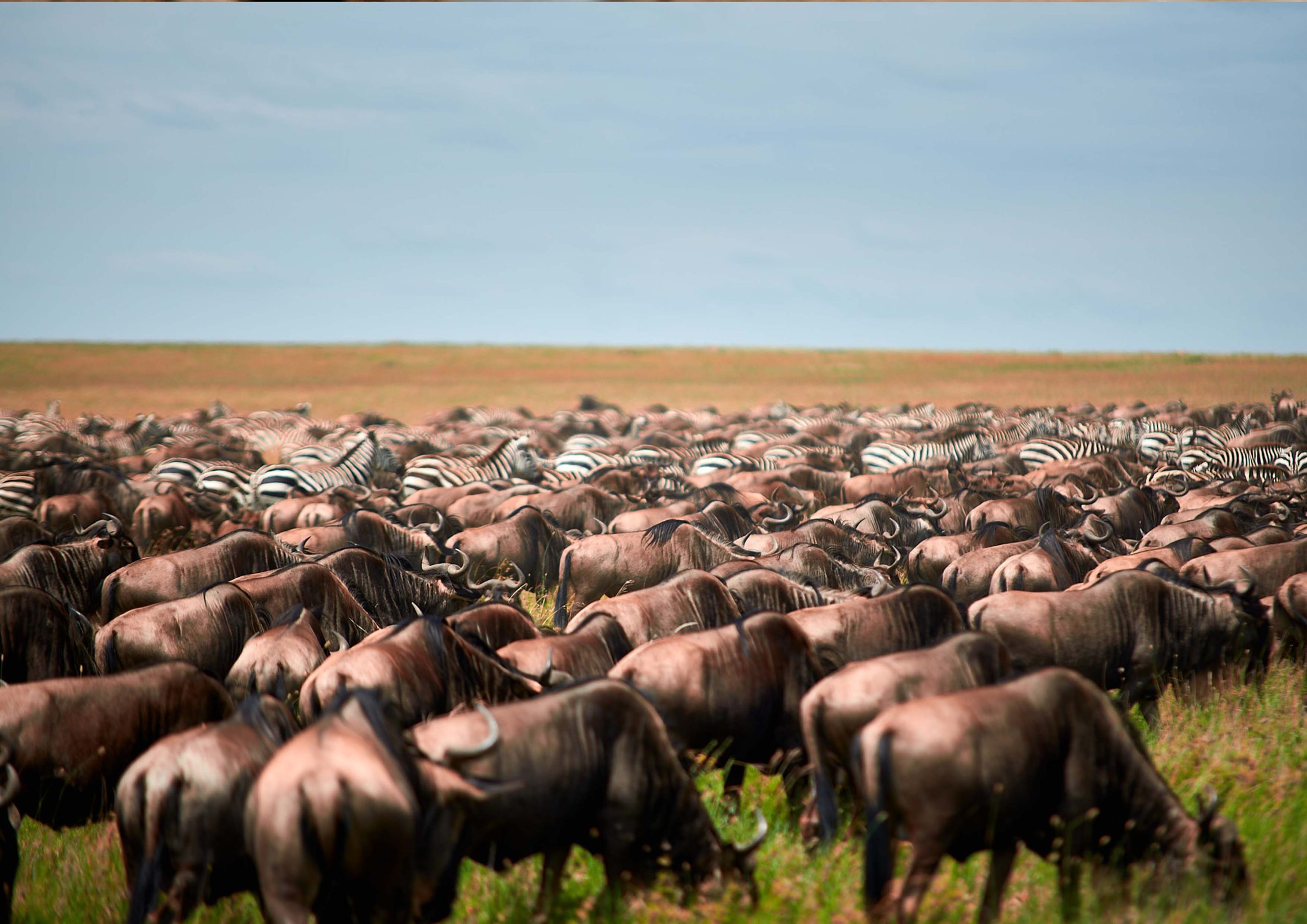
The dry season, from late June to October, is ideal for wildlife viewing. For unique experiences like the Ndutu calving season (December–March) or the Great Migration (June–July), plan accordingly. Budget safaris are also more affordable in the shoulder months.
What wildlife can I expect to see?
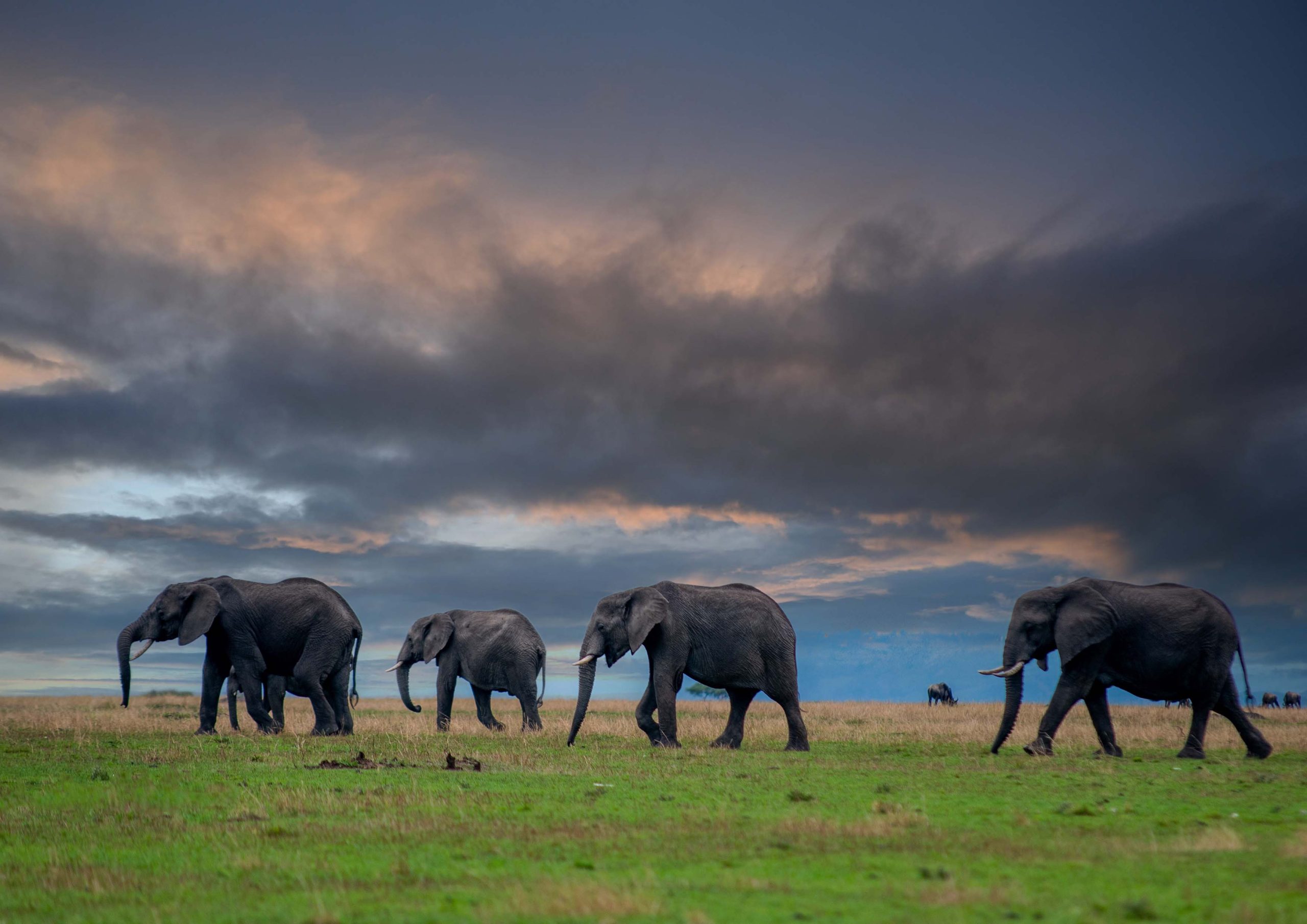
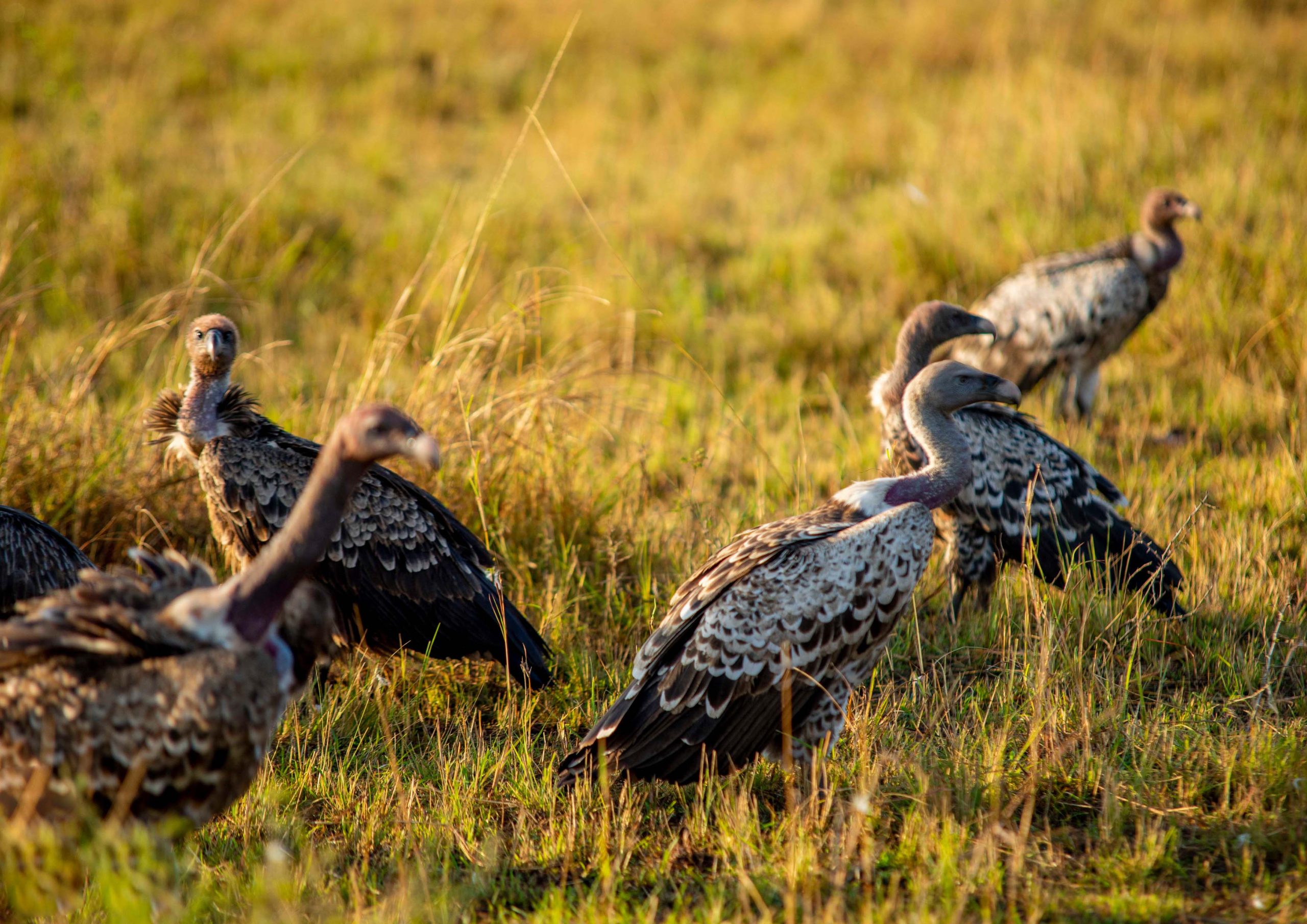
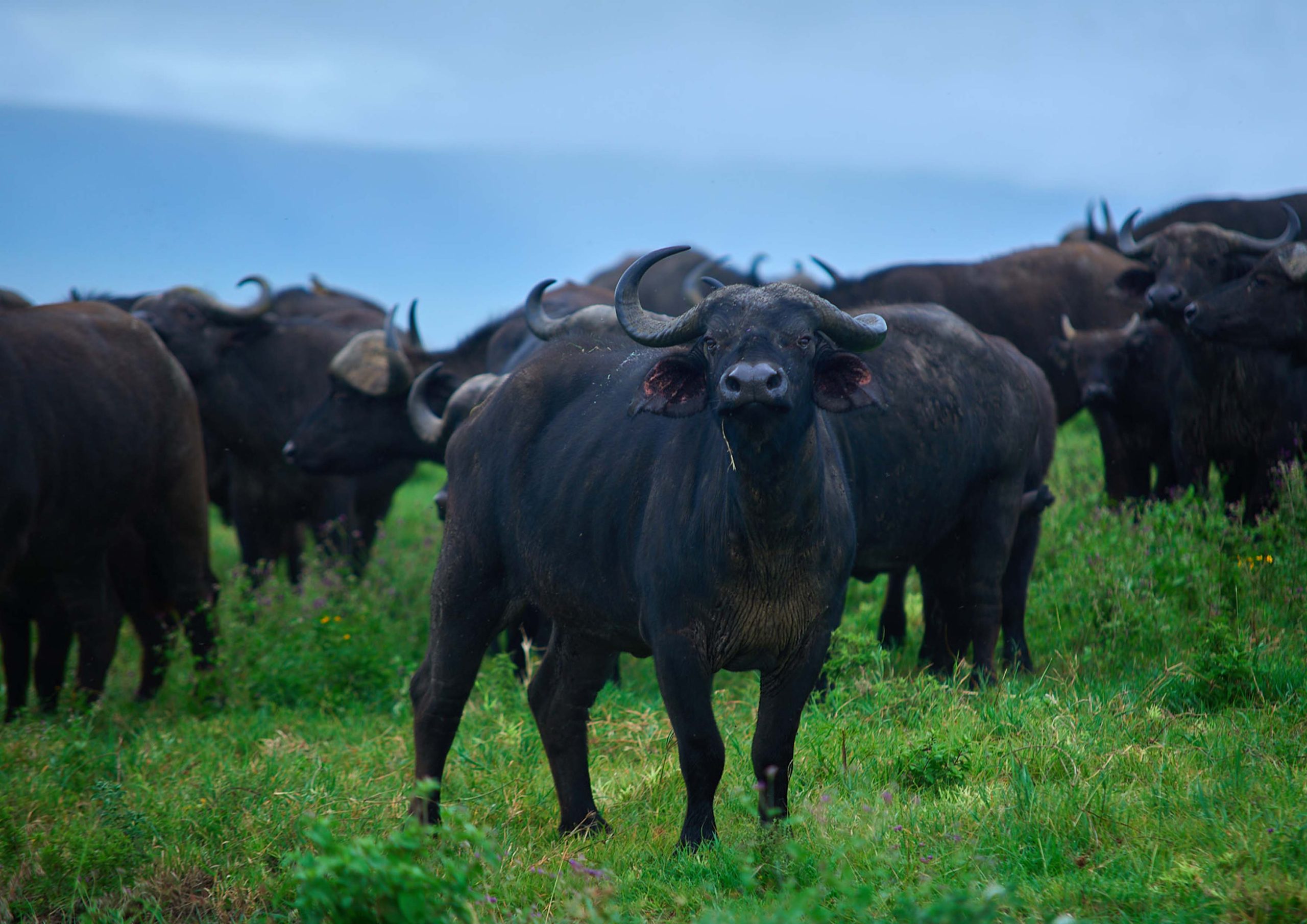
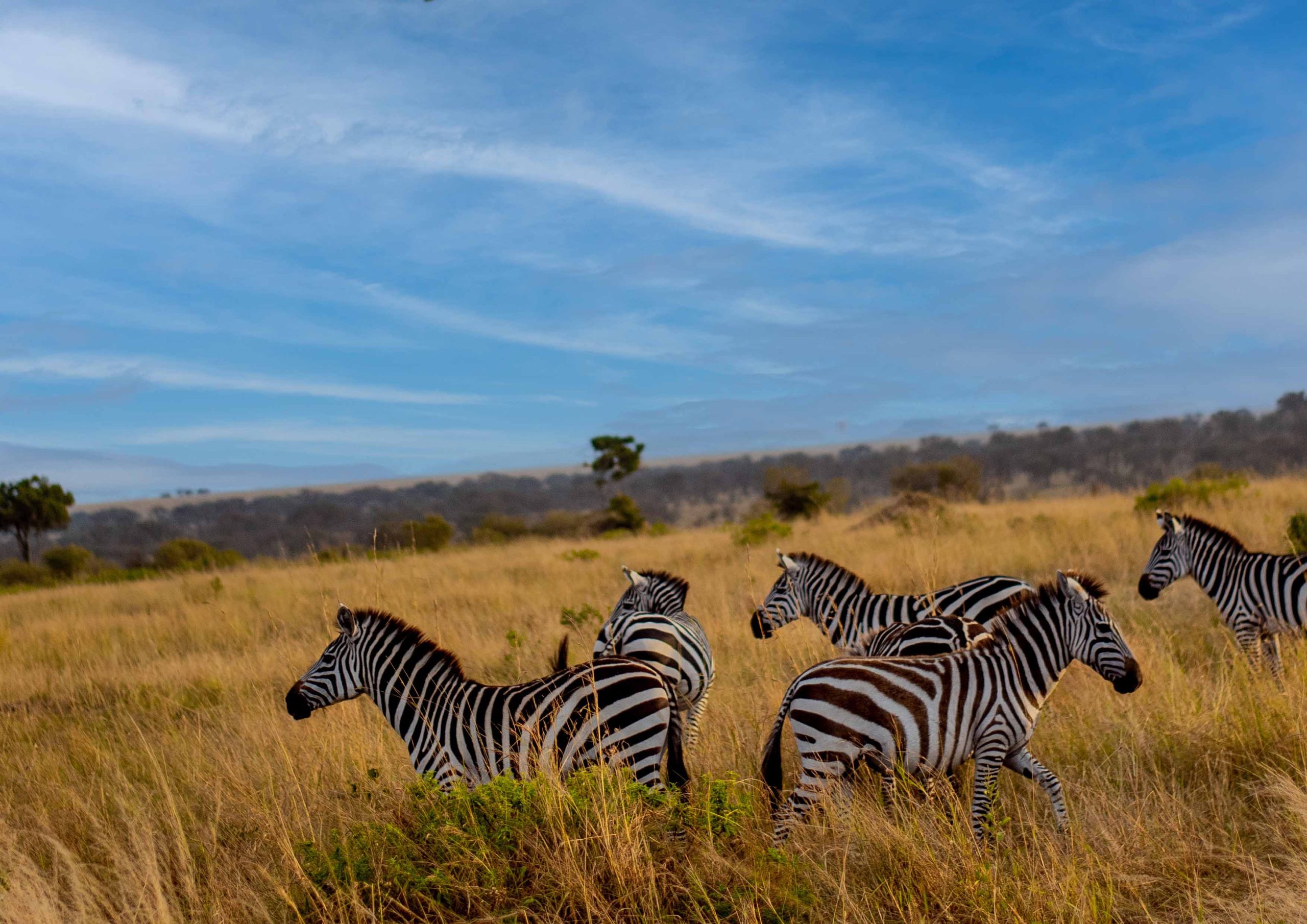
Even on a budget safari, you can see Tanzania’s famous Big Five: lion, leopard, elephant, buffalo, and rhino. Other wildlife includes wildebeest, zebras, giraffes, hippos, cheetahs, and countless bird species. Parks like the Serengeti and Ngorongoro Crater offer excellent wildlife sightings year-round.
Which national parks should I visit?
Top parks for a budget safari include:
Serengeti National Park – Great Migration and abundant wildlife
Ngorongoro Crater – Dense wildlife and scenic landscapes
Tarangire National Park – Elephants and baobab trees
Lake Manyara – Flamingos and tree-climbing lions
How long should a budget safari last?
Typical safaris last 5–10 days. Shorter safaris (3–4 days) cover 1–2 parks, while longer trips (7–10 days) allow you to explore multiple parks and see a wider variety of wildlife.
What’s included in a budget safari package?
Park entrance fees
Budget or mid-range accommodation (campsites or basic lodges)
Meals (usually full board)
Game drives with a professional guide
Note: Flights, drinks, and personal expenses are usually not included unless specified.
What types of accommodation are available?
Budget options include camping tents, budget lodges, or mid-range camps. These options provide comfort while keeping costs low.
Is a safari safe?
Yes. Safaris are safe when you follow your guide’s instructions. Always remain in vehicles during game drives, avoid walking alone, and adhere to lodge safety rules.
What should I pack for a budget safari?
Light, neutral-colored clothing
Comfortable walking shoes
Sunscreen, hat, and sunglasses
Binoculars and a camera
Insect repellent
Light jacket for mornings and evenings
Do I need vaccinations or medication?
Make sure routine vaccines are up-to-date. Yellow fever vaccination may be required for travelers from endemic areas. Anti-malarial medication is recommended, especially during the rainy season or near water bodies.
When is the Great Migration and Ndutu calving season?
Great Migration: June–July (river crossings), January–March (Ndutu calving).
Ndutu calving season: December–March in the Ngorongoro Conservation Area, attracting predators and offering dramatic wildlife sightings.
Can I combine a budget safari with a beach holiday?
Yes! Many travelers combine a safari with a Zanzibar beach stay for sun, snorkeling, diving, and cultural exploration. Budget accommodations are available on the island as well.
How will I travel during the safari?
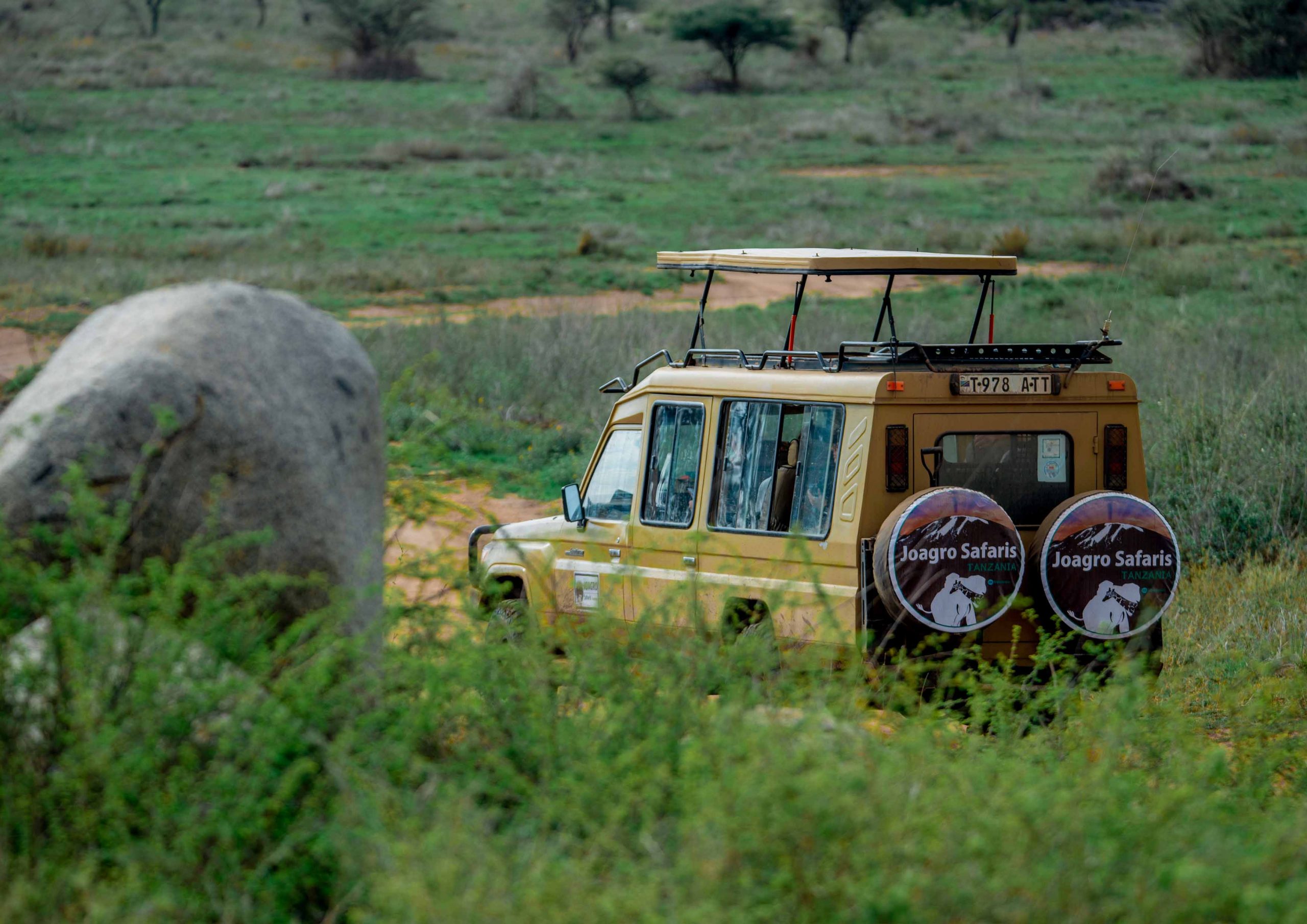
Budget safaris usually use 4×4 vehicles with pop-up roofs for game viewing. Private charters or domestic flights between parks are optional but more costly.
What kind of food is served on a budget safari?
Meals typically include local and Western-style dishes with meat, vegetables, fruits, and grains. Special dietary requests (vegetarian, gluten-free, etc.) can be accommodated if requested in advance.