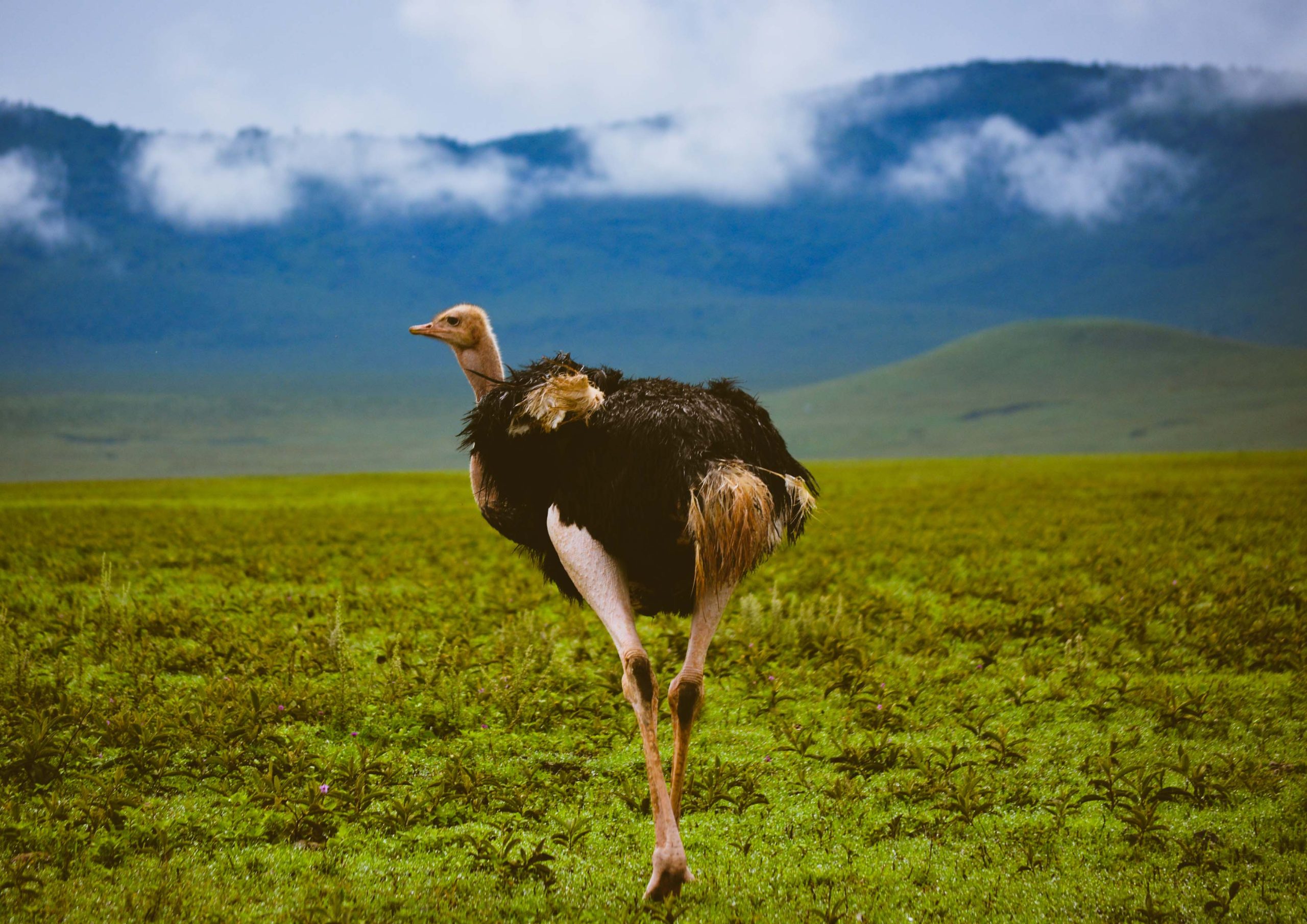
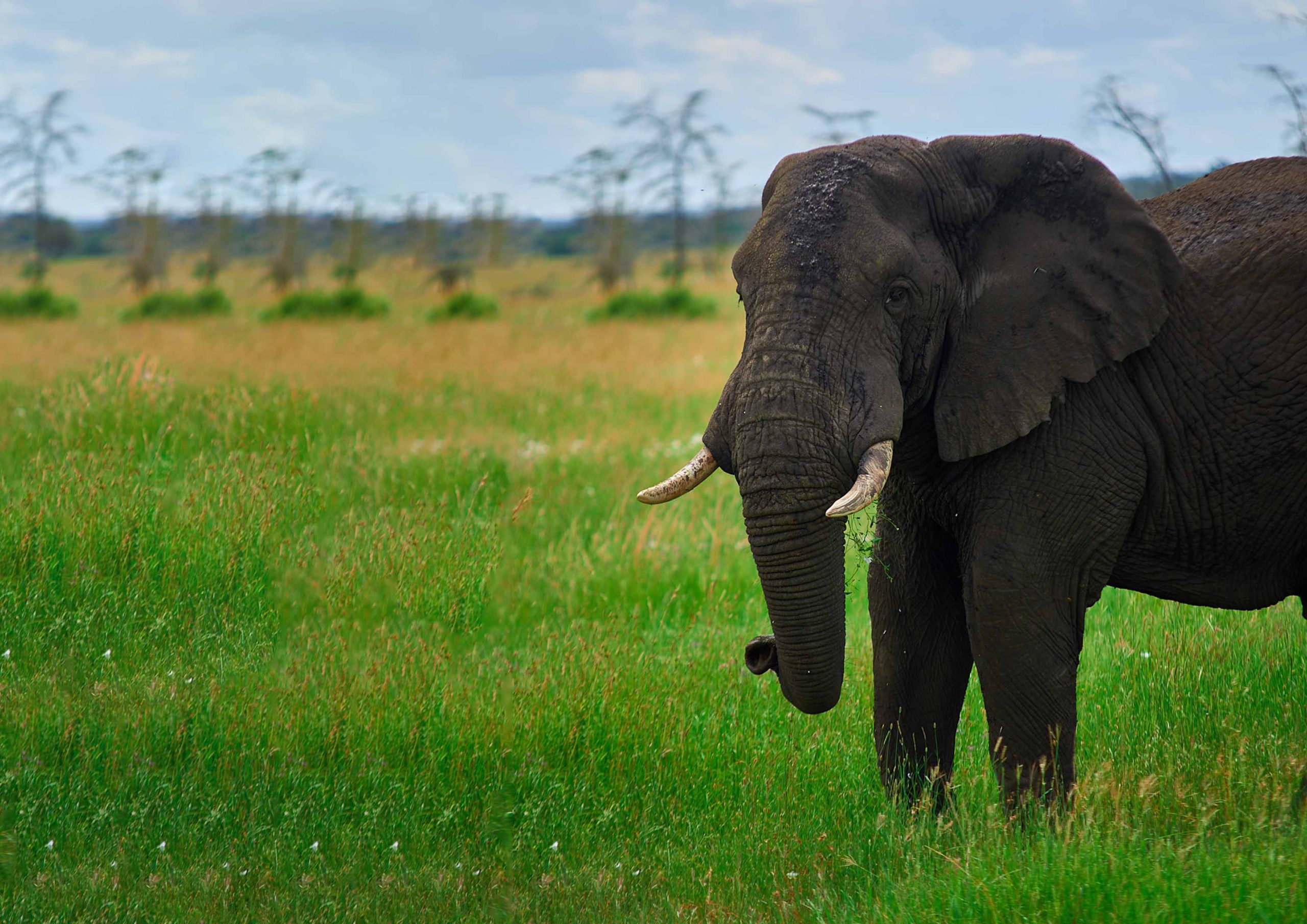
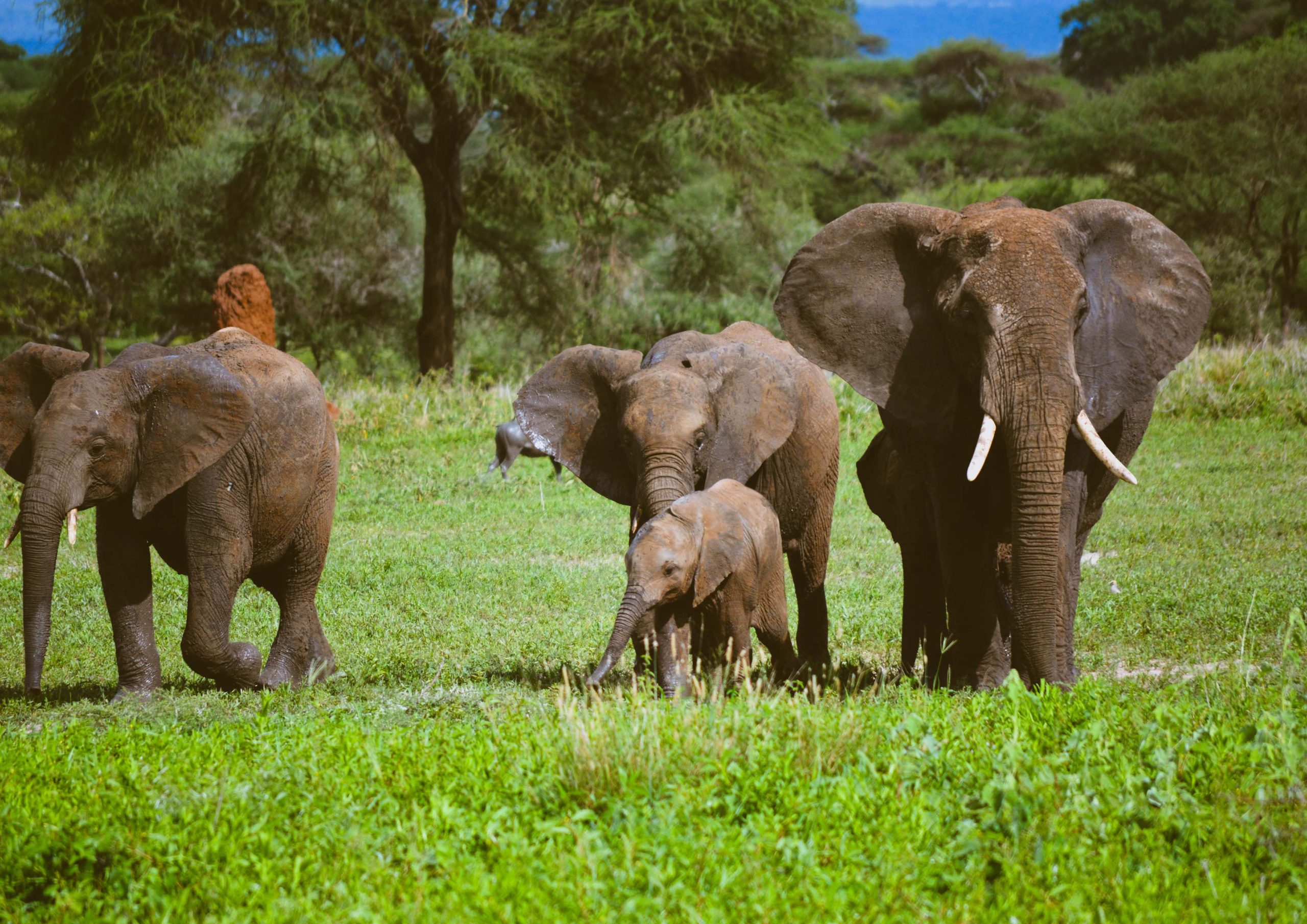
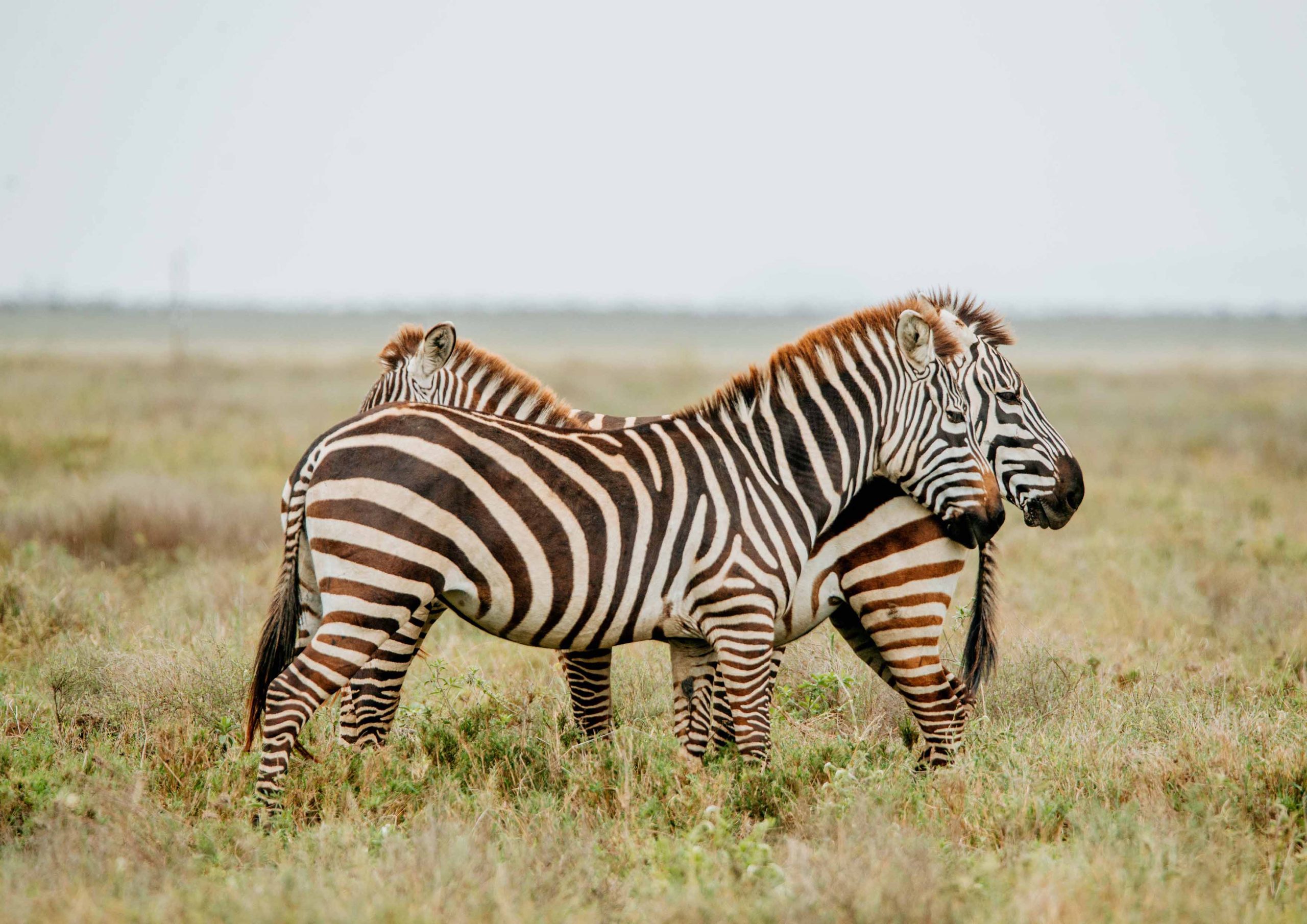
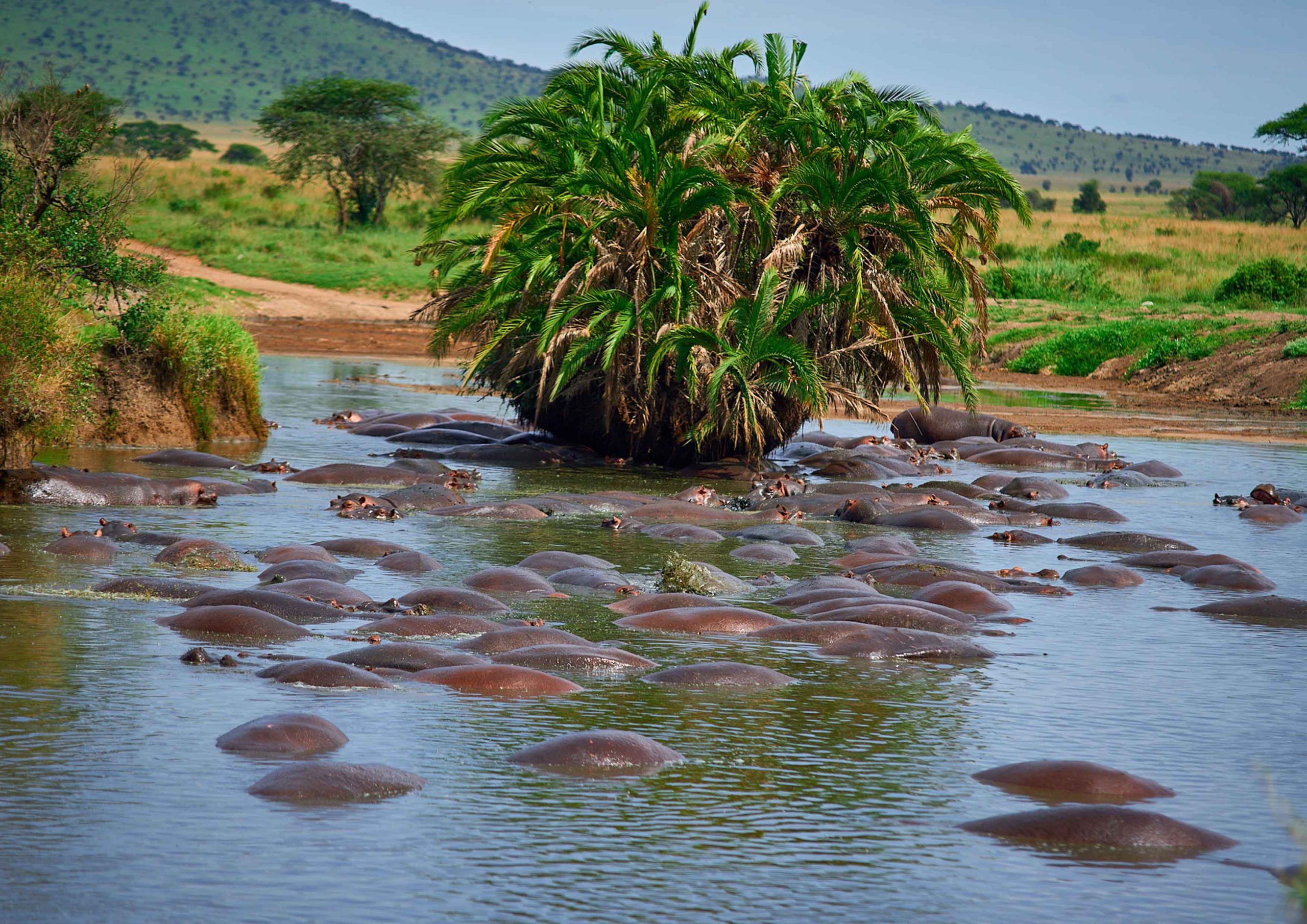
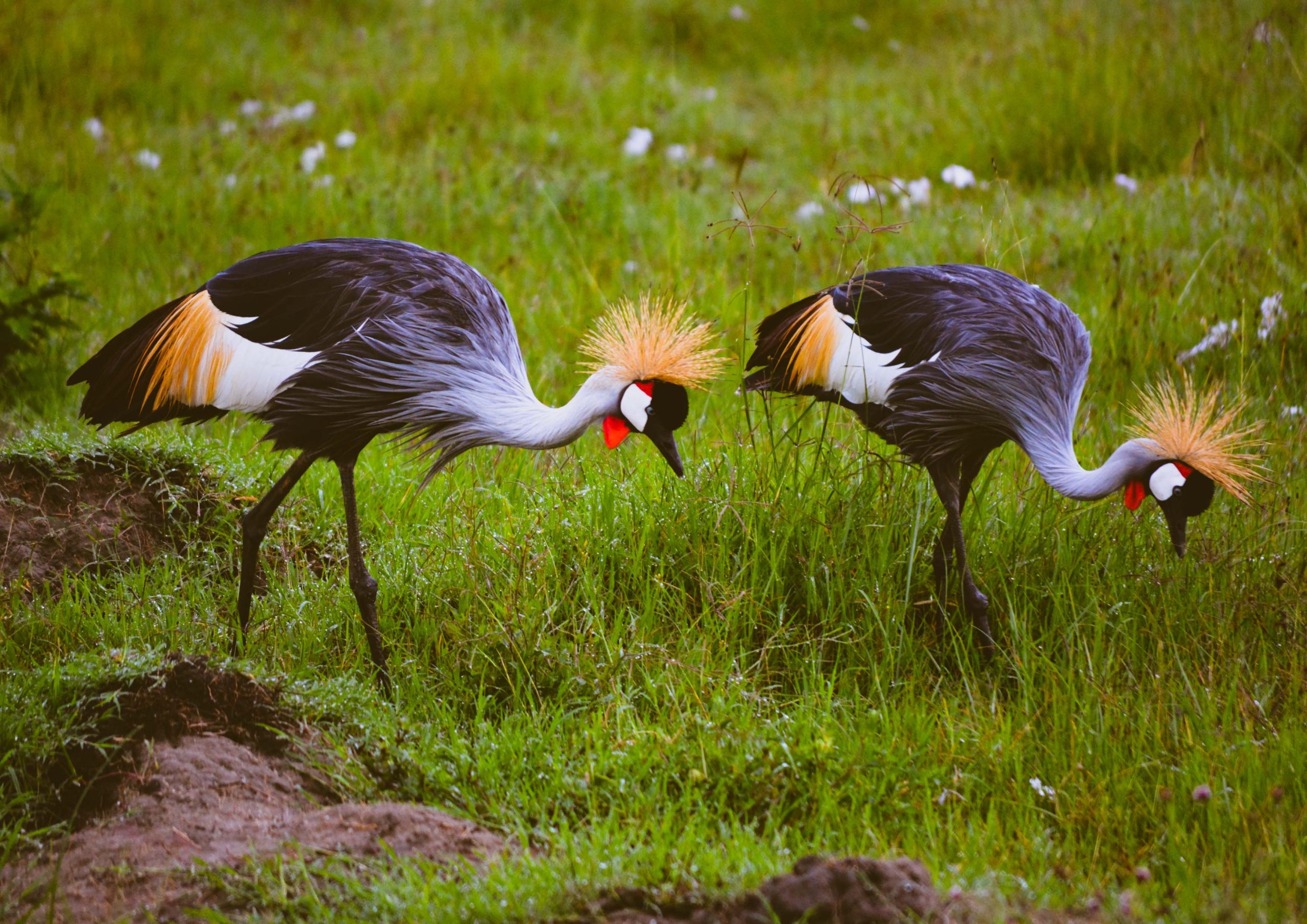
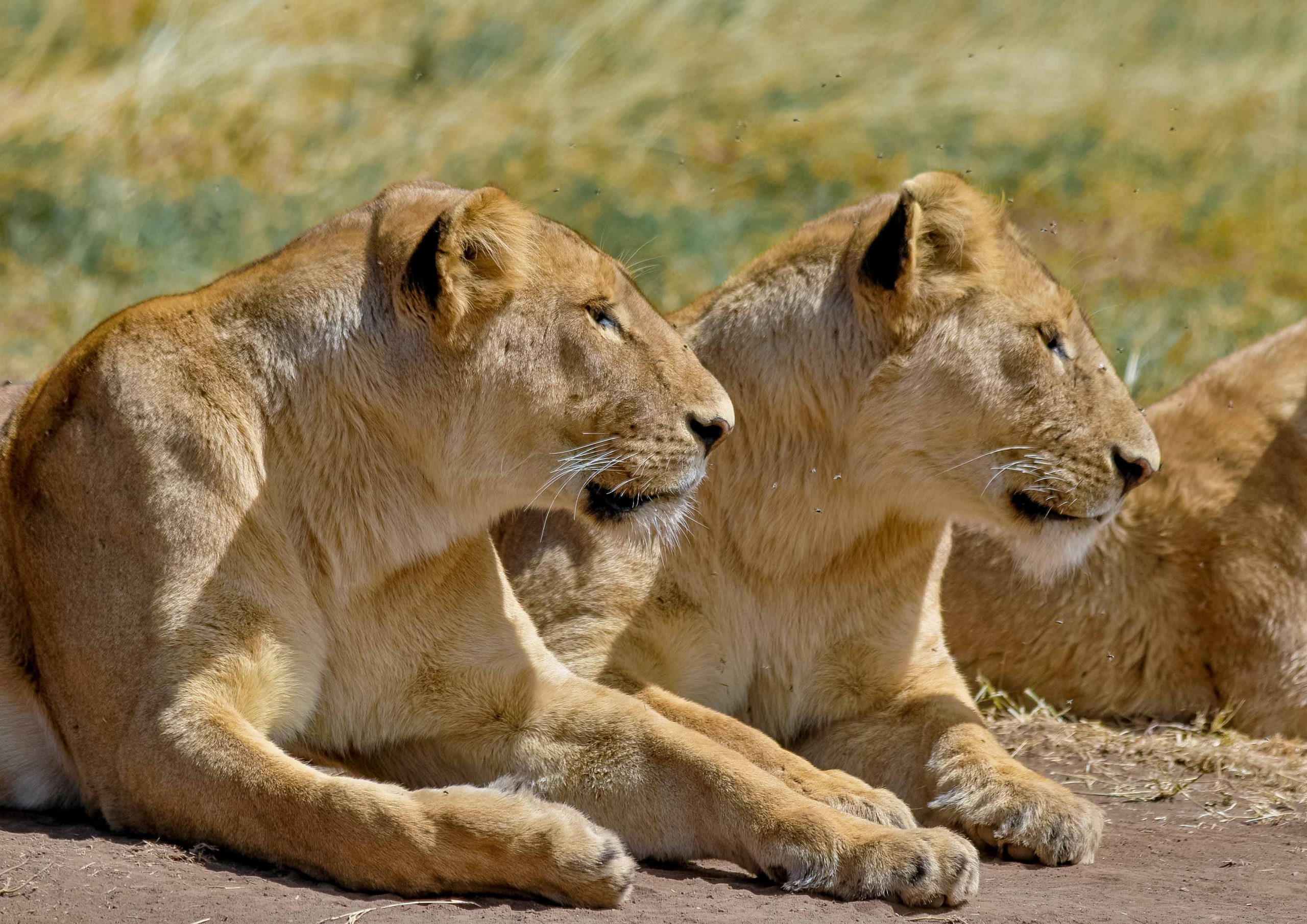
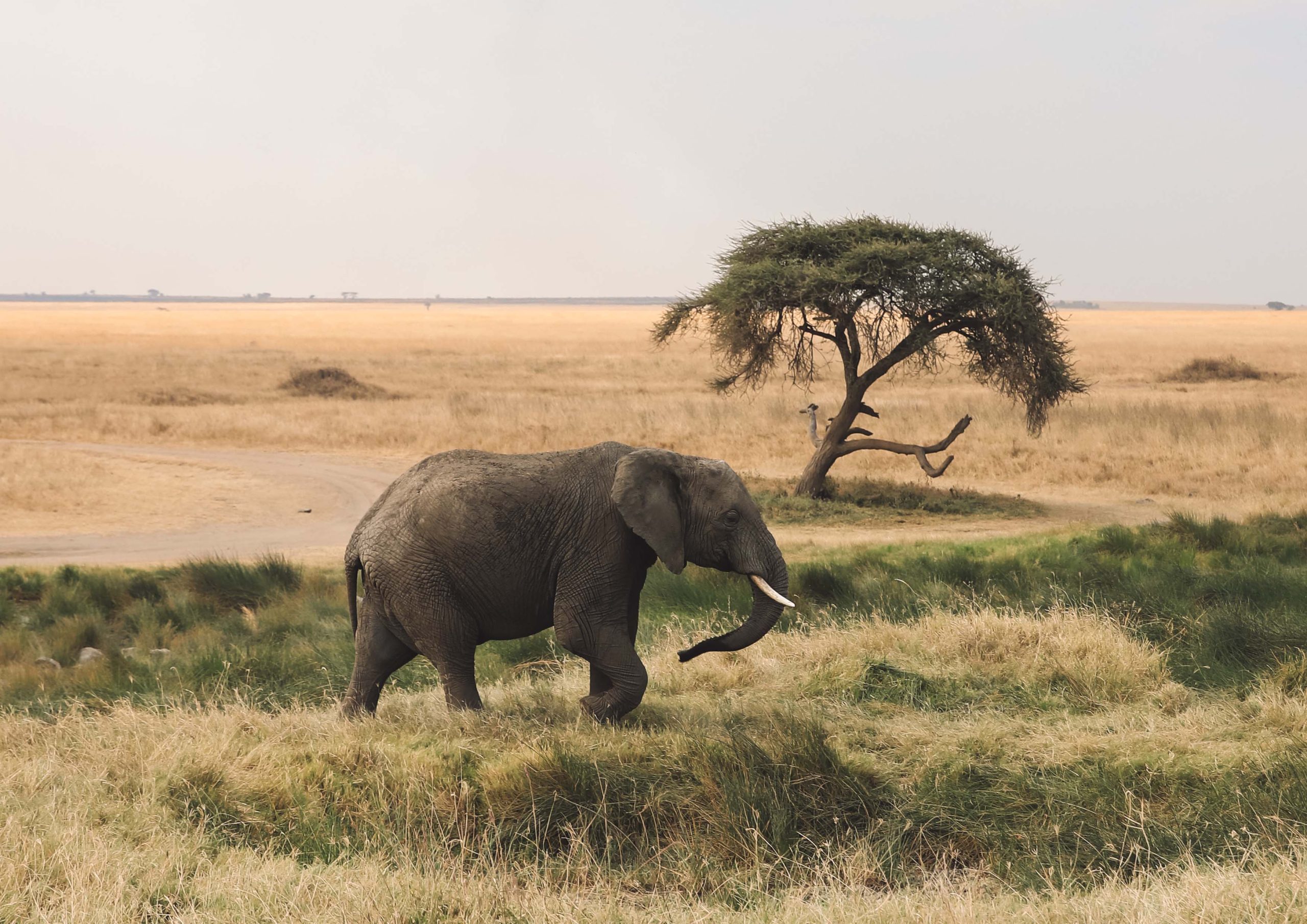
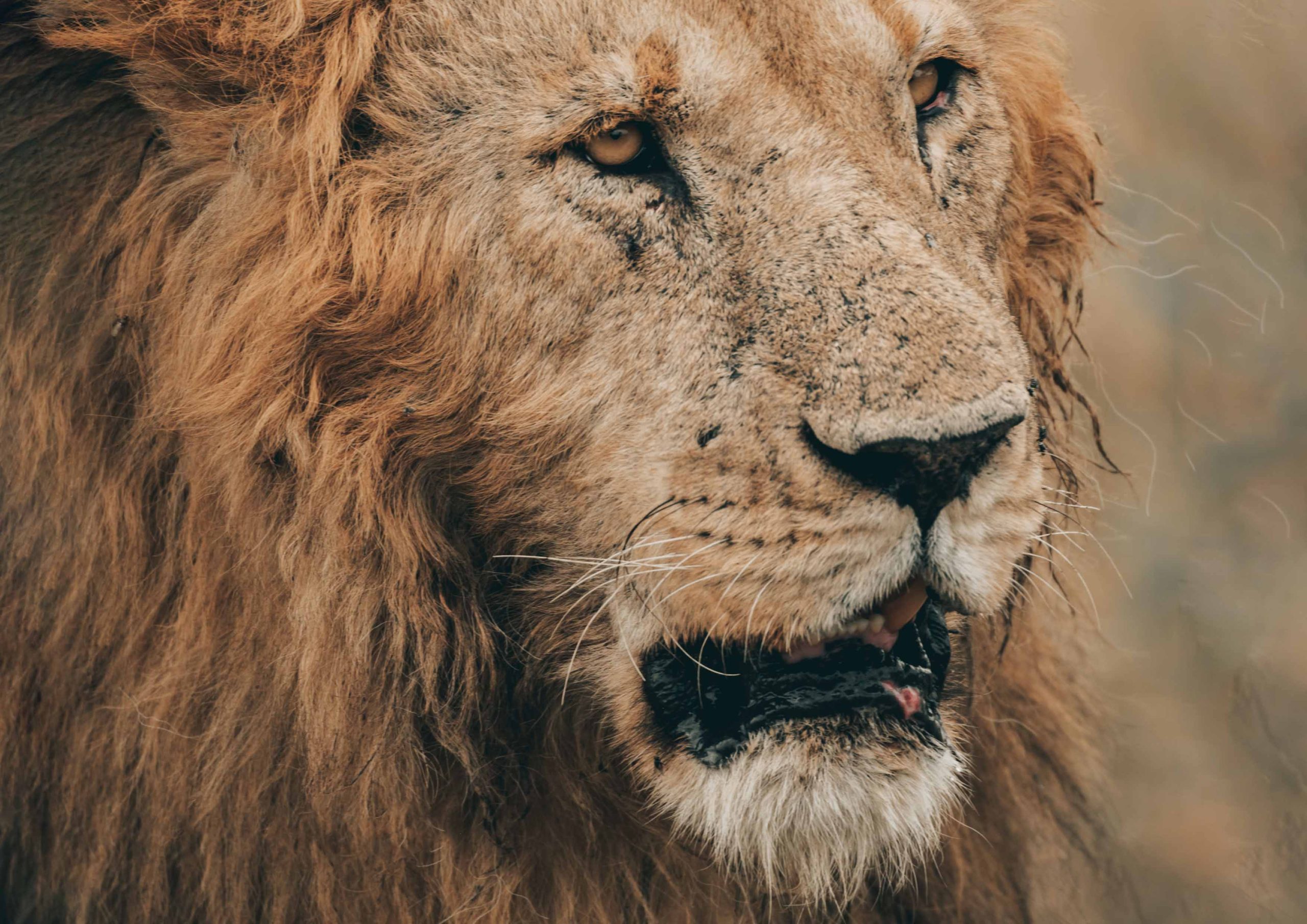
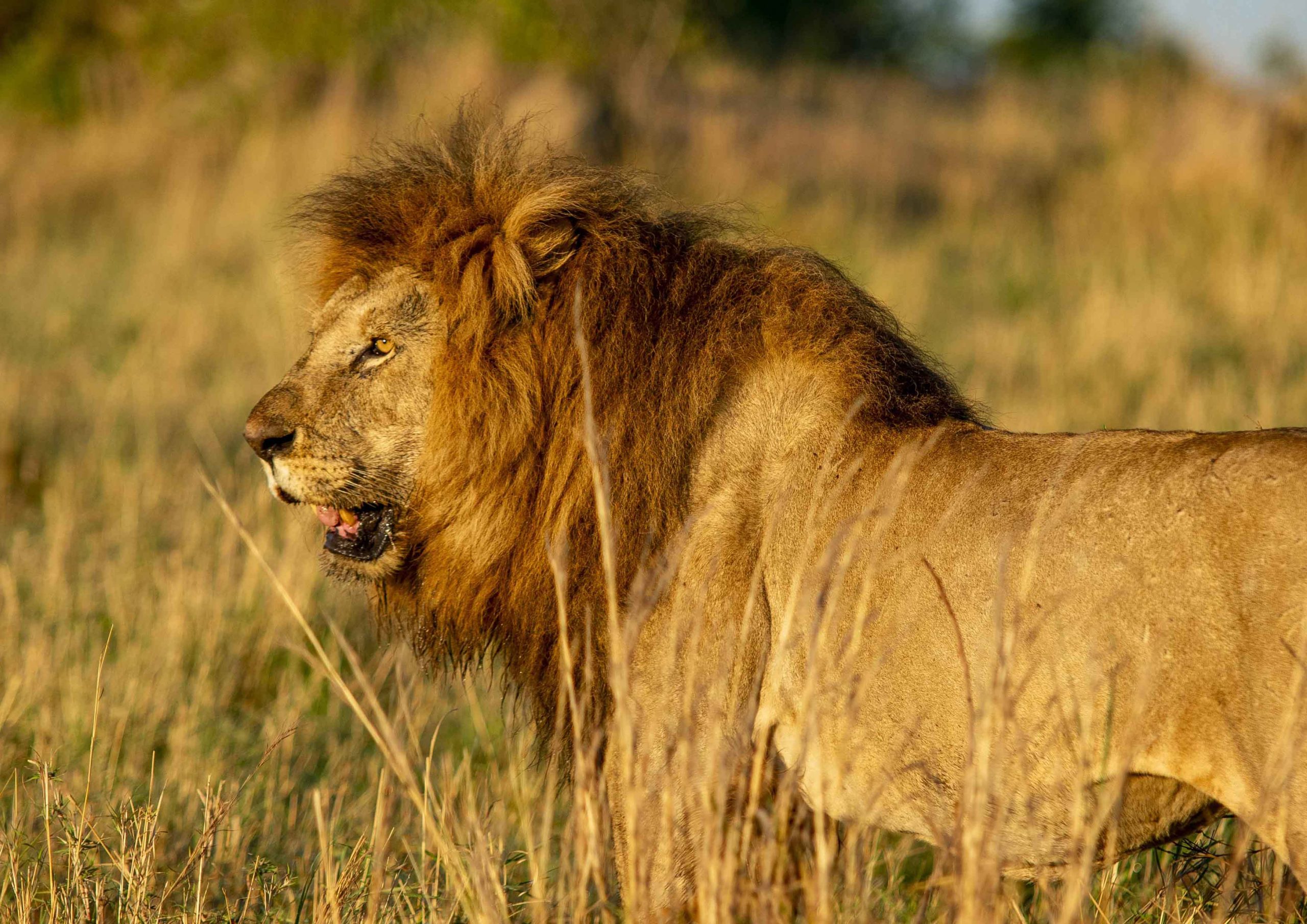
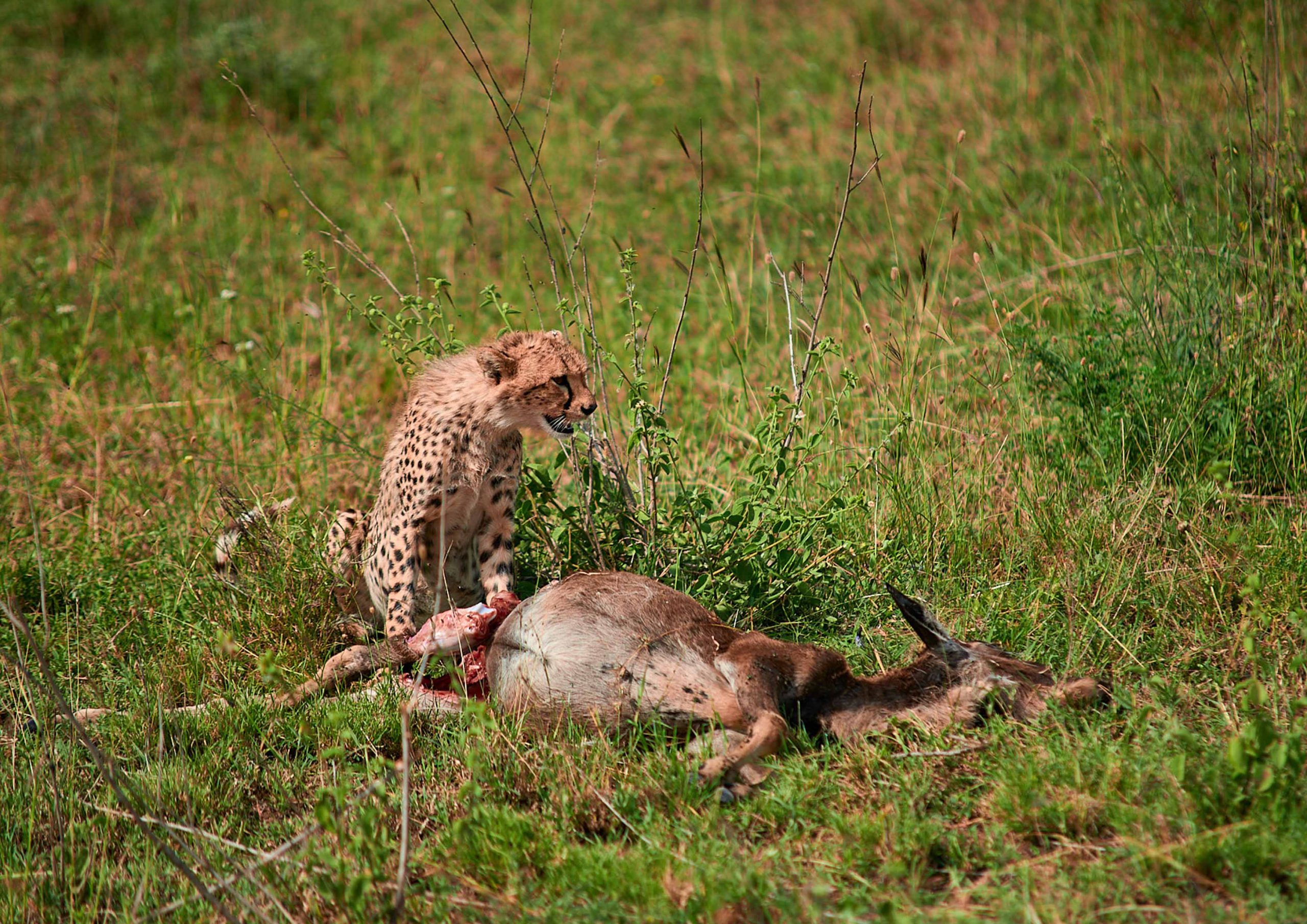
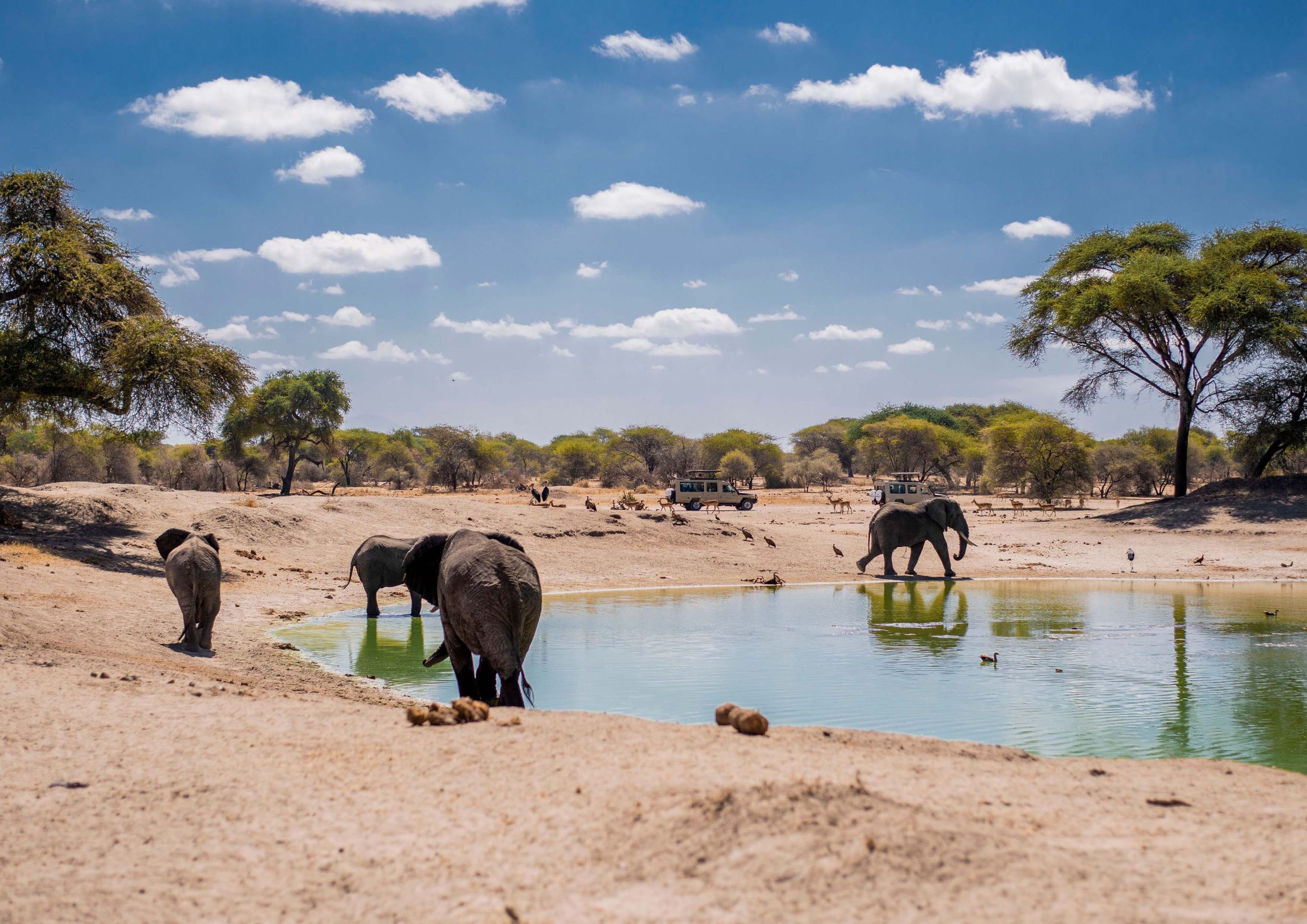
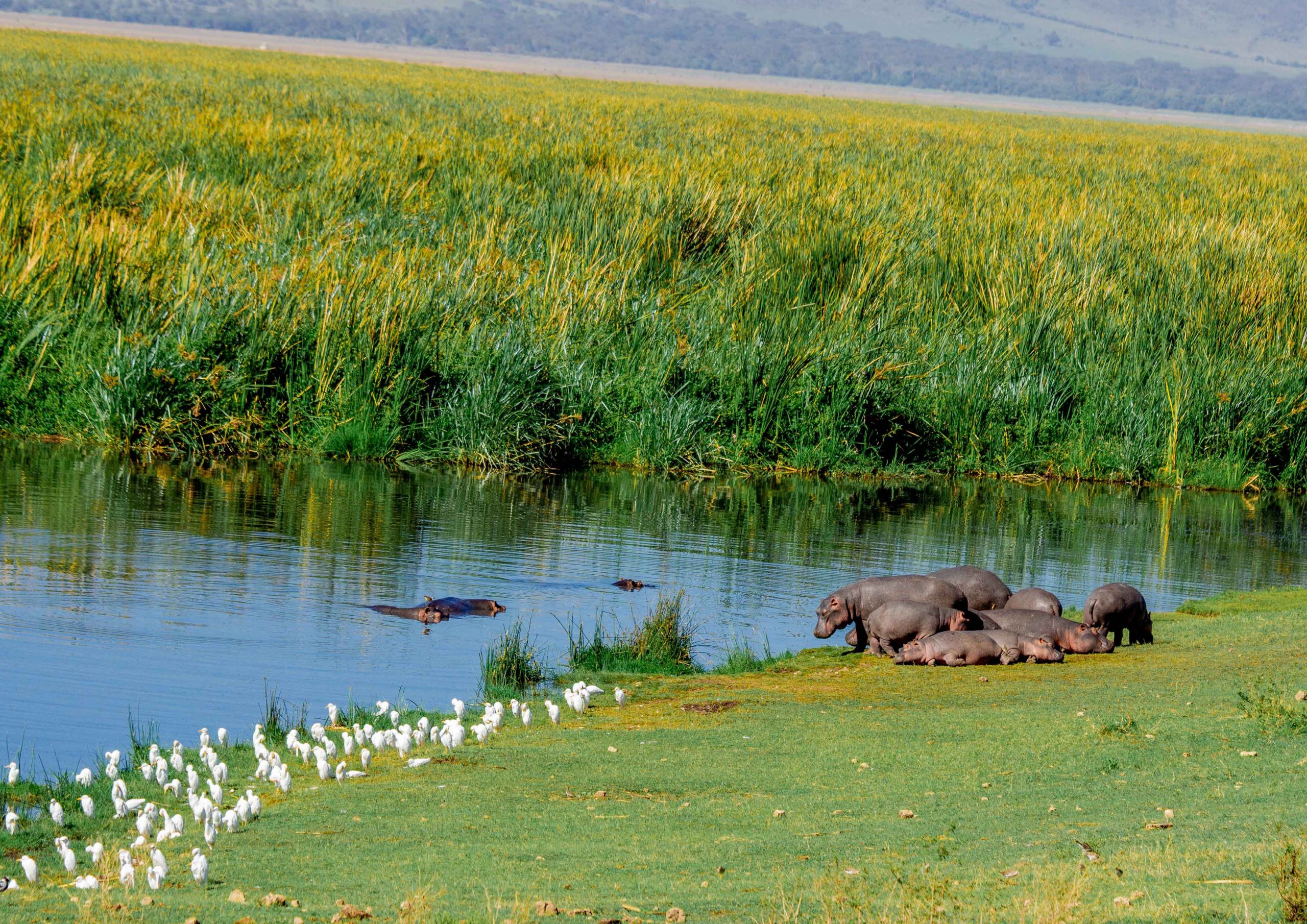
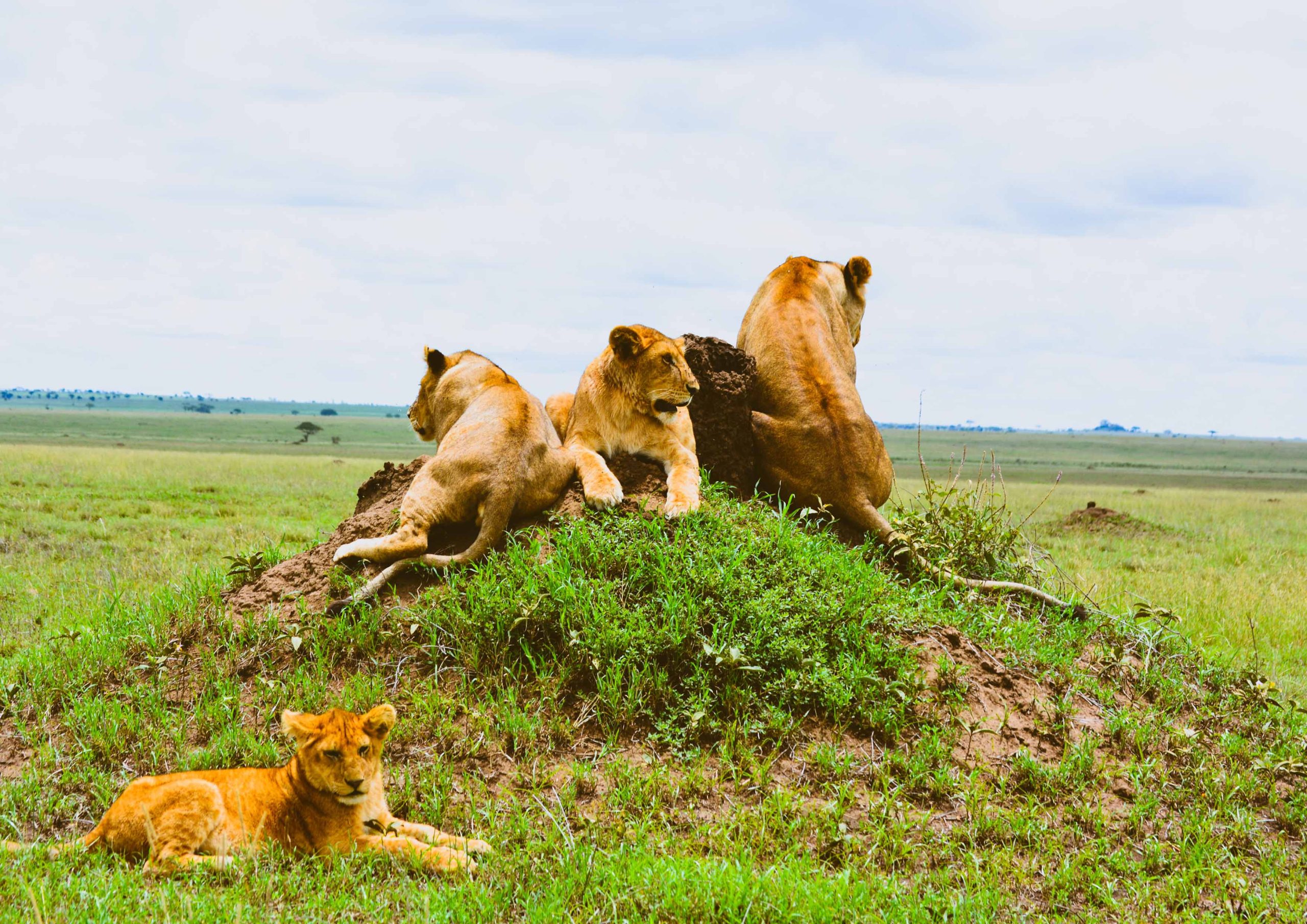
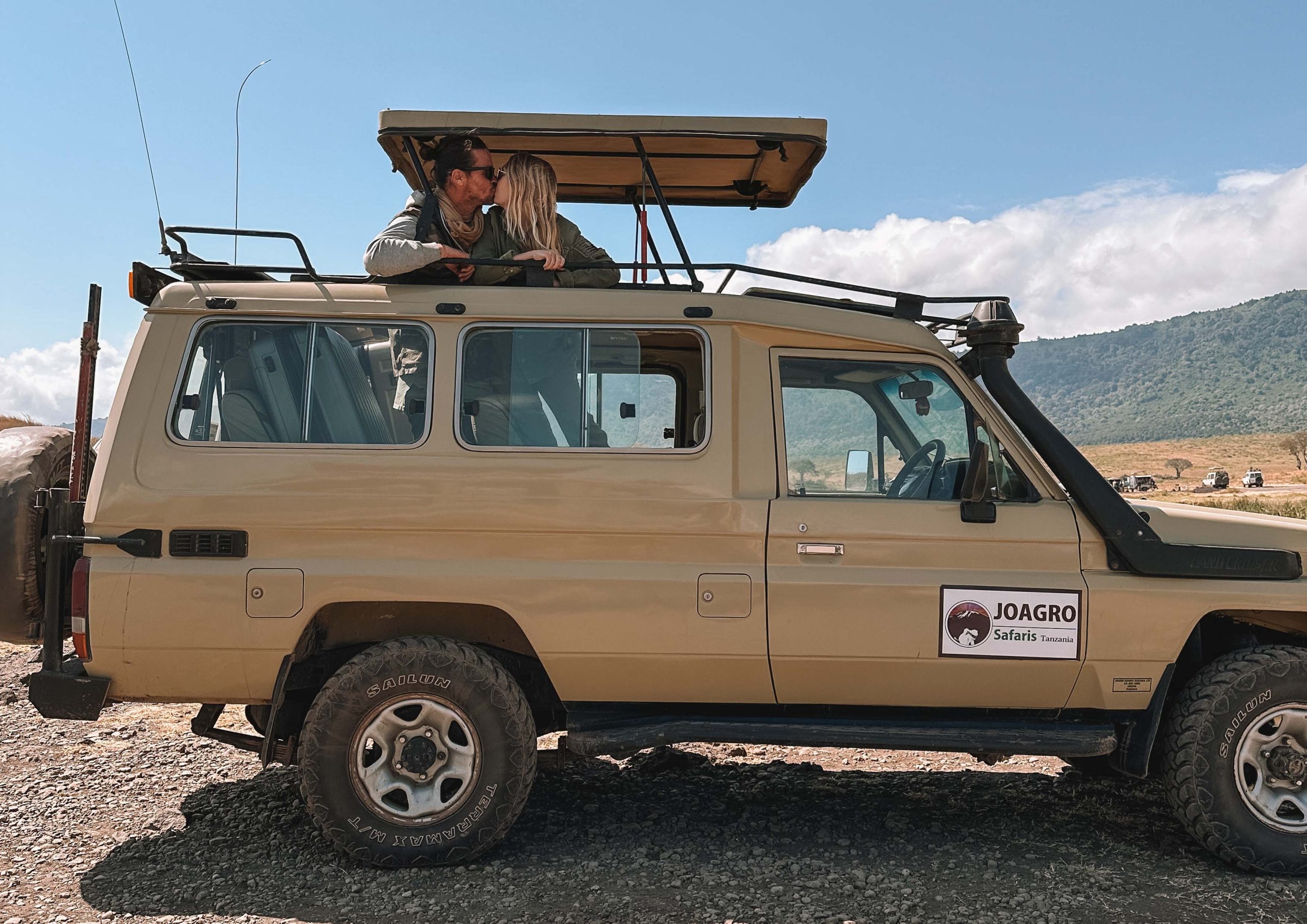
Tanzania Mid-Range Safaris offer a perfect balance of comfort and adventure, making them ideal for travelers seeking a memorable experience without overspending. These safaris provide cozy lodges or tented camps, delicious meals, and expert guides to explore the incredible wildlife. Tanzania Mid-Range Safaris take you to famous parks like Serengeti, Tarangire, and Ngorongoro Crater, where you can spot lions, elephants, and zebras up close. The tours are well-organized, ensuring a smooth and enjoyable stay in Tanzania. With Tanzania Mid-Range Safaris, you can witness nature’s wonders, enjoy cultural encounters, and create lasting memories in one of Africa’s most iconic destinations.
This 4-day safari is tailored to Manyara, Ngorongoro, Tarangire, and a walking safari to Arusha National Park close to wild animals under the armed ranger.
A 4-Day Lodge Safari will offer a visit to the world-famous national parks of Tanzania's northern circuit to see big cats, Big 5, tree-climbing lions, migration, and more.
The 4-Day unforgettable Tanzania Safari Package is tailored towards Lake Manyara National Park, Tarangire National Park, and the amazing Ngorongoro Crater.
On 5 days Tanzania Safari experiences, you will visit the well-known national park for the tree climbing lions, Bushmen, Maasai Community and Kilimanjaro
The tour is tailored to enable people with access requirements, including mobility, to have an equal opportunity to explore the world while promoting social inclusion.
A 5-day safari in Tanzania offers a chance to witness the Big Five and other animals, visiting Tarangire National Park, Ngorongoro Crater, and Lake Manyara.
This 5-day safari is tailored for a visit to Manyara National Park, Tarangire National Park and Maasai Village visit scheduled to take place at Monduli Juu.